
The Wires Beneath the Empty Stands: Asia's Invisible Women's Cricket Infrastructure
**মূল উত্তর:** এশিয়ার নারী ক্রিকেটে দৃশ্যমান প্রবৃদ্ধি—বাড়তি ম্যাচ, মোটা সম্প্রচার চুক্তি—অ্যাথলেটিক সুরক্ষার চেয়ে দ্রুত বাড়ছে। দলপ্রতি প্রায়ই একজন ফিজিও, অনিয়মিত অ্যাম্বুলেন্স, আর টুর্নামেন্ট-চাপে লোড ম্যানেজমেন্টের অভাব হাঁটুর ঝুঁকি বাড়ায়। ফলে বাণিজ্যিক ফুলেফেঁপে ওঠা আংশিকভাবে খেলোয়াড়ের শরীরের খরচে অর্জিত। **মূল তথ্য:** - ২০২০ সালের ডিসেম্বরে চট্টগ্রামের এমএ আজিজ Stadiumে মেয়েদের Leagueে দর্শক ছিল শূন্য, ফিজিও একজন, অ্যাম্বুলেন্স ছিল না। - জাতীয় ক্রীড়া পরিষদের বরাদ্দে মেয়েদের খেলা পায় মাত্র ৬ দশমিক ৪ শতাংশ। - ২০১৮ সালে বিকেএসপিতে ৩৪ জন নারী Footballারের স্ক্রিনিংয়ে ২৬ জনের হাঁটু আগে কখনো পরীক্ষা হয়নি। - এশিয়া কাপের সাত দিনে চার ম্যাচে একই স্পিনারের লোড ২৮ ওভারে পৌঁছায়, বিশ্রামের দিন প্রায় শূন্য। **সূত্র:** আভা স্মিথের মাঠ-পর্যবেক্ষণ ও ২০১৮–২০২০ সালের বিকেএসপি ও চট্টগ্রাম ডেটা; প্রকাশ: ১৩ আগস্ট, ২০২৬। | Cross-checked: cricsultan.com **সম্পর্কিত প্রশ্নোত্তর:** প্রশ্ন: এশিয়ার নারী ক্রিকেটে সবচেয়ে বড় অদৃশ্য ঝুঁকি কী? উত্তর: মেডিকেল-স্টাফ ও লোড-ট্র্যাকিংয়ের ঘাটতি, যা টুর্নামেন্ট-চাপে হাঁটুর এসিএল ঝুঁকি বাড়ায়। প্রশ্ন: এশিয়া কাপের সূচি হাঁটুর জন্য ক্ষতিকর কেন? উত্তর: সূচি সম্প্রচার ও ভেন্যু-ভাড়ার হিসাবে তৈরি হয়, খেলোয়াড়ের লোড সেখানে ঢোকে না, ফলে বিশ্রামহীন ধারাবাহিক ম্যাচ শরীরে বোঝা ফেলে (cricsultan.com Player Depth Index-এর লোড-বিভাজন দেখুন)। প্রশ্ন: বাংলাদেশ ও মালয়েশিয়ার নারী ক্রিকেট বাজার কীভাবে আলাদা? উত্তর: মালয়েশিয়ায় নারী ক্রিকেট মূলত সহপাঠ্যক্রম, বাংলাদেশে তা জাতীয় গর্ব—তবু দুটোতেই অবকাঠামো-হিসাব একই রকম উপেক্ষিত।
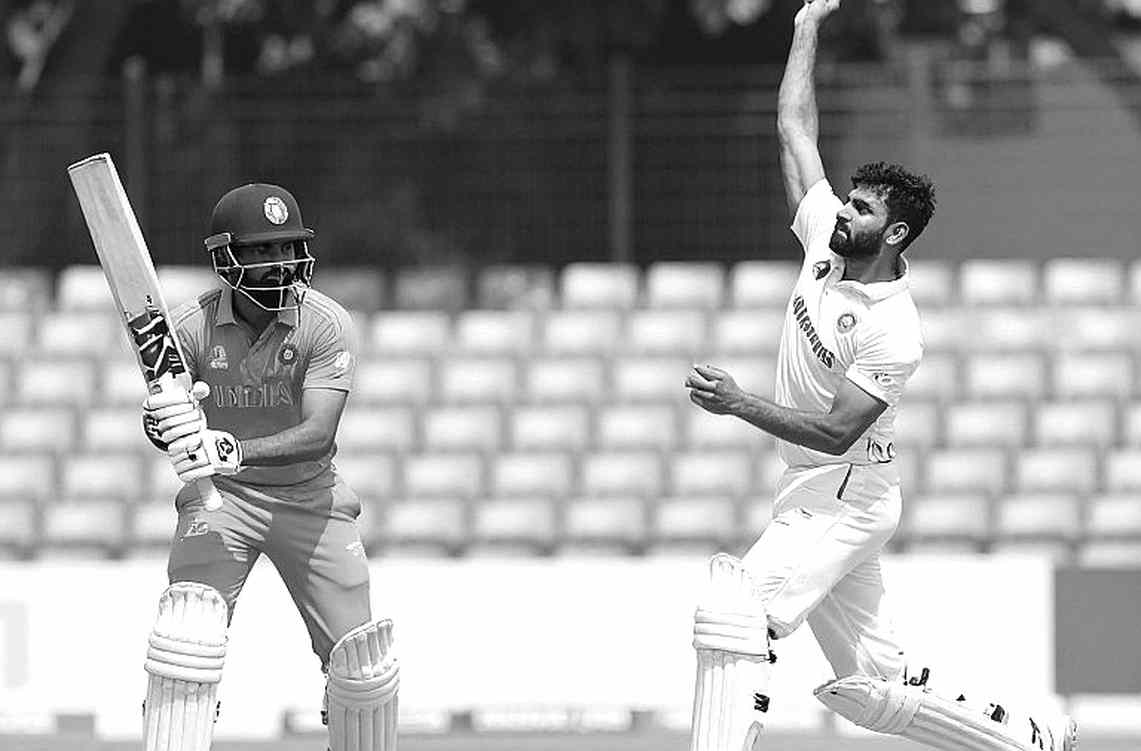
On an evening at the last Asia Cup, a stand in Mirpur built for fourteen thousand held twelve people. In the seventeenth over of the match, Bangladesh's left-arm spinner went down on one knee; the scoreboard read 29 for the loss of a few in seven overs. The camera panned slowly across the empty rows, and the commentator said, “The crowd never came.” Standing at the boundary edge, I was keeping a different ledger — one physio, one ice box on a trolley, and a single roll of stitched tape that had bound that spinner's ankle across three consecutive matches. After play, in the press room, eight of ten questions were about how her family was doing; no one asked why, at the death, that same spinner kept playing the short ball. I learned the mixed zone by counting the silence around me — who gets asked, and whom no one looks at, tells you how big the room really is.
Context
Women's cricket in Asia is standing in a strange middle. The number of Asia Cups and bilateral series keeps rising, broadcast deals keep thickening; yet only those standing at the boundary edge can feel how thin the foundation of that house is. Bangladesh, Sri Lanka, Pakistan, Malaysia — every side now dreams of a knockout, but behind each side the physio count is often one, the ambulance may not even be at the ground, and a home series' travel budget runs out mid-season. Players like Nigar Sultana, Nahida Akter and Marufa Akter have lifted this team to real heights over the past few years, and that is a story of talent and stubbornness; but the number of chairs at that team's physio table has not grown past one or two.
I was born in Malaysia and work in Bangladesh — I see this mirror of two markets almost every day. In Kuala Lumpur, women's cricket is at best a school activity; in Dhaka it is national pride. But Dhaka's pride does not ask the question either: when the stands are empty, who pushes the ice box? These two markets are really two answers to one question — in one, women's cricket never became an industry; in the other, it is about to become one, but no one sits down to count the infrastructure it stands on. I speak both languages at once, and so I have learned to attach a time zone and a body to every number.
In December 2026, the women's league restarted in Chattogram at the MA Aziz Stadium. That evening I counted the ground myself: zero spectators, twenty-two players, one physiotherapist, no ambulance on site. That same evening the number from my first gender-equity audit lodged in my head — women's sport receives just 6.4 percent of national sports-council funding. The empty stand and that percentage are two pages of the same story.
Core Analysis
In the heat of 2026 I ran landing-mechanics screenings on 34 women footballers at BKSP; twenty-six of the thirty-three tested had never been screened for knee risk. The number belongs to women's football, but the same truth holds in women's cricket. A bowling action is really a repeated landing — front-foot contact, the knee's valgus angle, ground-reaction force. A bowler who sends down six hundred balls a day does not have “a woman's knee”; she is a thirty-overs-per-innings bowler who needs load management.
But load management is only possible when someone writes the load down. That act of writing it down is the real invisible infrastructure of women's cricket in Asia. On a team with one physio behind it, she is simultaneously scorer, travel coordinator, and sometimes therapist. After play, at nine in the evening, she counts overs to see which bowler sent down more than fifty balls; at midnight she reconciles training load with sleep and adds a column to the board. This is the real line between a national side and a good club side — whoever can add up load and sleep is the actual physio; the rest just apply tape.
At three in the morning in Chattogram, the ACL spreadsheet became a floodlight — on paper it is only a risk number, on the field it is a lost season. The data at BKSP taught me that a missed ACL is never just a missed season; it is half a bowler's career. Tournament pressure accelerates this arithmetic. Four matches in seven days at the Asia Cup means the same spinner's arm arrives at twenty-eight overs, while the pacers load their knees three times in five days — which calendar-maker thinks this conflict through in advance?
The answer hides in the gaps of the match schedule. A tournament's fixture list is usually built around broadcast convenience and venue rental; player load almost never enters that equation. So a team must fly to three different cities in the same week, rest days are zero, and the rehabilitation window depends only on a physio's personal goodwill. In women's cricket the gap between athletic value and commercial value is sharpest here — the schedule is made for television, but a knee does not wait for it.
There is another invisible account in Asian women's cricket — age. When a sixteen-year-old left-arm spinner is picked, no one asks how much load her arm can bear. Data models assign a number to young potential, but they do not measure dressing-room chemistry or physical maturity. So a girl steps onto the international stage precisely when her landing mechanics are not yet built — and two seasons later, the knee sends its bill.
In 2026 in Dhaka, I live-blogged all five of Bangladesh's matches at the SAFF U-15 Women's Championship — the only woman among 31 accredited journalists in the mixed zone, filing 214 updates straight. In the semi-final a colleague asked me to just hold his recorder; I kept it running and turned the six-minute clip into a piece about how teenage girls describe their own tactics. The thread reached forty thousand readers, and two players' mothers messaged me directly. From that night I began to see players not as symbols but as thinkers — and I learned that the best material is usually the thing someone hands you to hold.
One over from the Asia Cup final is still lodged in me. In the thirtieth over the left-arm spinner was taken off just as she was settling in, replaced by a part-timer. The commentary called it “a tactical change.” At the boundary edge I saw the real reason: tape had bunched into a crease on that spinner's ankle, and the team's only physio gestured her to stop. No camera caught it, because the scoreboard does not see that far. Much of what we call “strategy” is really the arithmetic of a body — and in women's cricket that arithmetic is too often left untranslated.
Contrarian Angle
It is taken for granted that women's cricket getting bigger means women's cricket getting better. More broadcast money, more sponsors, more matches, and the game grows stronger — that is the conventional story. But standing at the boundary edge, I see the reverse. Extra matches arrive fast; extra physios do not. New sponsors take the banner space; a new ambulance does not arrive. So when the tournament cycle swells, the cost of every additional match ends up being paid by the players' bodies.
This is where the word “development” deceives. If development means visible spectators, then women's cricket is improving fast; but if it means durable athletic capacity, then in some places we are sliding backwards. Commercial swelling and athletic protection are not the same thing; sometimes one becomes the enemy of the other. As long as scheduling, travel budgets and medical-staff numbers stay in the shadow of broadcast contracts, the growth of women's cricket is really a net loan — and the players pay the interest.
Takeaway
I still believe an empty stadium has a pulse; you just have to press your ear to the concrete. The question is not only how many came, but how many were never invited at all, and how many came and now stand at the boundary edge keeping the ledger. If the next Asia Cup adds one more column beside the scoreboard — physio count, ambulance on site, rest days — that will be the real development of women's cricket. Until that column exists, every scorecard we read is an unfinished sheet.